

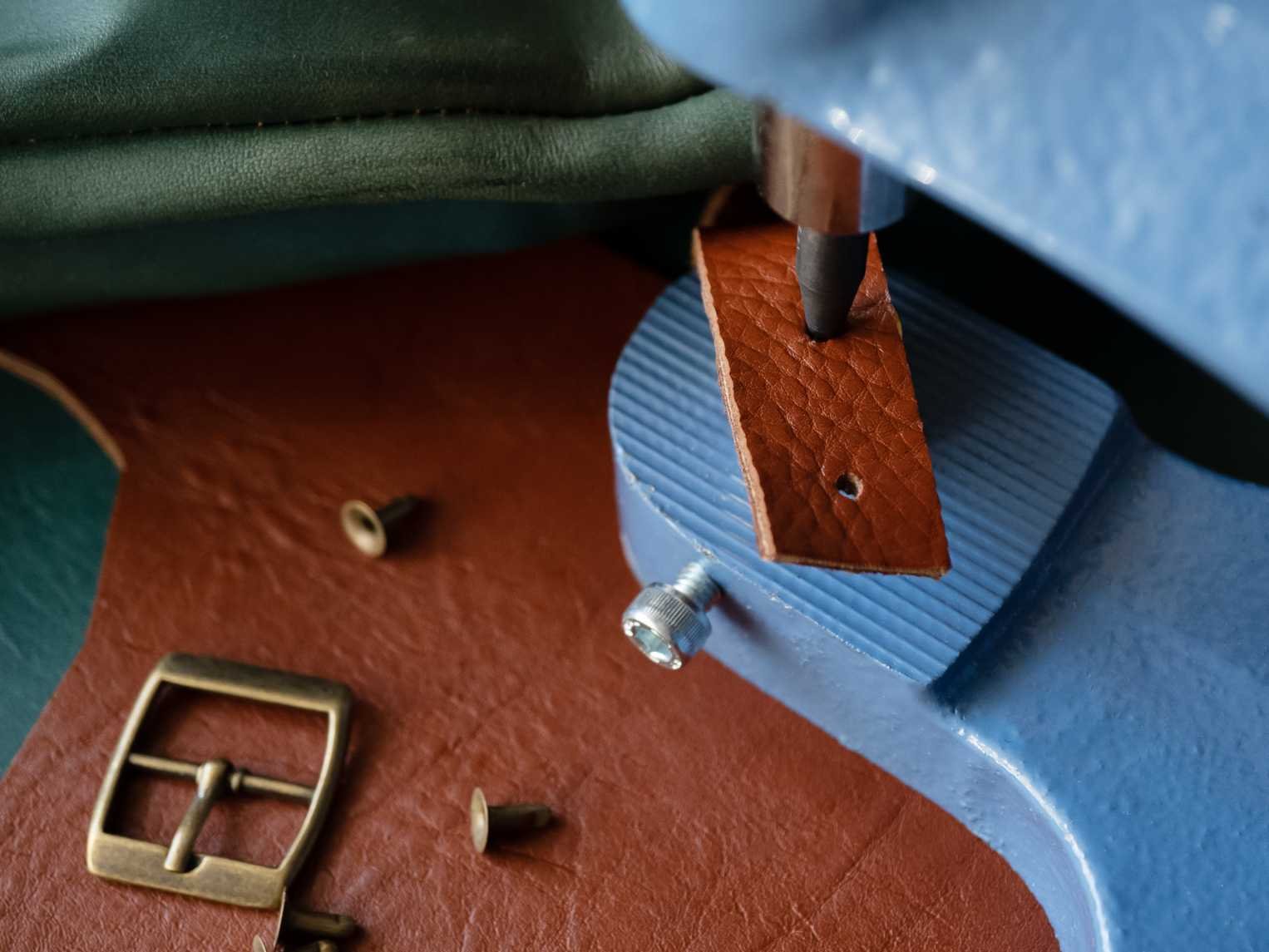
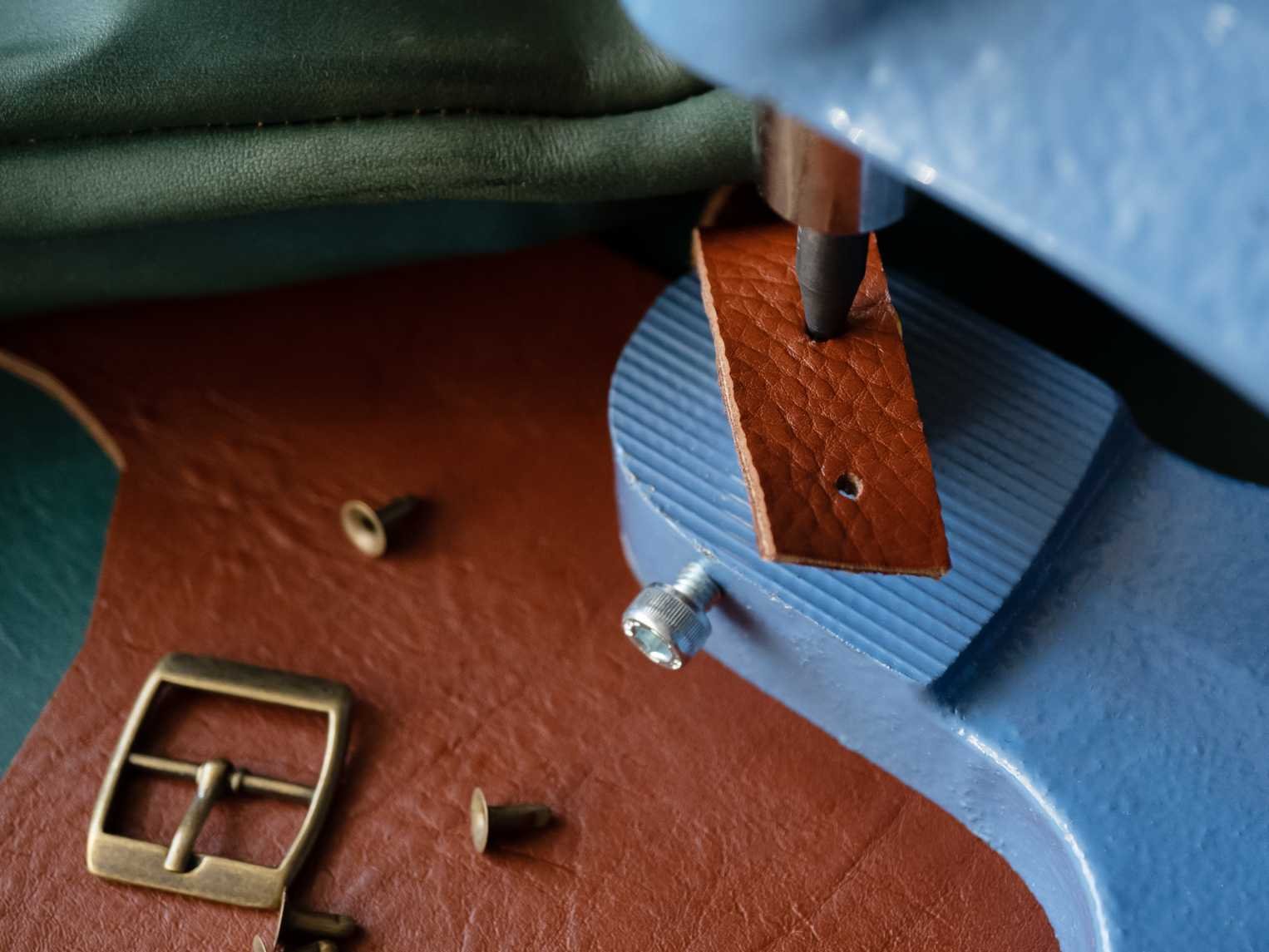
Punching holes in leather can be done using manual tools like rotary punches for small DIY projects, or automated leather perforation machines for industrial efficiency. While manual tools offer low cost, industrial machines provide the speed, precision, and complex pattern capabilities required for mass production.
Ruining expensive leather with bad holes is frustrating. It wastes money and slows down your production line1. You need to choose the right method for your specific scale to ensure quality.
To punch holes in leather, DIY enthusiasts use hand punches or rotary tools for small tasks. However, factories require industrial solutions. For high-volume, single-design orders, use Mould Punching Machines2. For complex, low-volume, or fast-turnaround designs without mould costs, CNC Digital Punching Machines3 are the best choice.
I have seen many factory owners struggle with this choice. They use the wrong tools and lose profit. Let me explain the differences so you can stop wasting money on rejected orders.
Manual vs. Automated: Which Method is Best to Punch Holes in Leather?
Hand tools are cheap but slow. Using them for big orders causes delays. You cannot grow your business with just a hammer and a simple punch tool.
Manual tools like awls suit hobbyists but fail in mass production. Automated machines4 provide speed and precision. While manual work offers a unique craft feel, automation is necessary for meeting factory deadlines and ensuring every hole looks exactly the same.
As a business owner, I know time is money. Manual tools are great for artists. But if you run a factory like mine, you cannot rely on hand tools. You need to understand the three main categories of punching. This helps you decide what to buy.
1. Manual Tools for Hobbyists5
If you are making one bag at home, you use a rotary punch or a round drive punch. You hit it with a hammer. It is cheap. It is simple. But it is very slow. You cannot make 300 pairs of shoes this way. Your workers will get tired. The quality will drop after an hour.
2. Mould Punching Machines2 for Mass Production
This is the standard for big factories. You make a metal mould with needles. The machine presses the mould onto the leather. It punches all holes at once. This is very fast. If you have an order for 10,000 car seats of the same style, this is the best way.
3. CNC Digital Machines for Flexible Production
This is the modern way. You do not need a mould. The computer tells the machine where to punch. It is perfect for complex patterns. It is also great when you have many different styles but smaller quantities.
| Method | Best For | Speed | Cost Setup |
|---|---|---|---|
| Manual | DIY / One-off items | Very Slow | Low |
| Mould Machine | High Volume / Same Style | Very Fast | High (Moulds) |
| CNC Machine | Low Volume / High Variety | Fast | Medium (No Moulds) |
You must look at your order types. If your orders are small and varied, manual is too slow, and moulds are too expensive. You need a middle ground.
Why Consistency Matters: Can You Solve the Challenges of High-Volume Leather Perforation?
Customers reject orders when holes are uneven or burnt. This creates waste and hurts your reputation. You must solve quality issues6 to keep your high-end clients happy.
Consistency is the key to profit in manufacturing. High-volume perforation requires machines that do not get tired. Mechanical mould machines ensure identical holes for large batches, while CNC machines maintain precision for complex patterns without physical fatigue.

I remember when a client returned a batch of leather seats. The holes were burnt. I used a laser machine. It was fast, but the quality was bad. The edges were black. The smell was terrible. This is why consistency and quality matter. You need to understand the difference between laser cutting7 and physical punching.
The Problem with Laser
Many factories use laser machines. They are cheap. But lasers burn the leather. This leaves carbon on the edges. When you touch it, your hand gets dirty. The smell stays on the leather for a long time. High-end car brands and luxury shoe brands will reject this. They want "clean" holes.
The Solution: Physical Punching
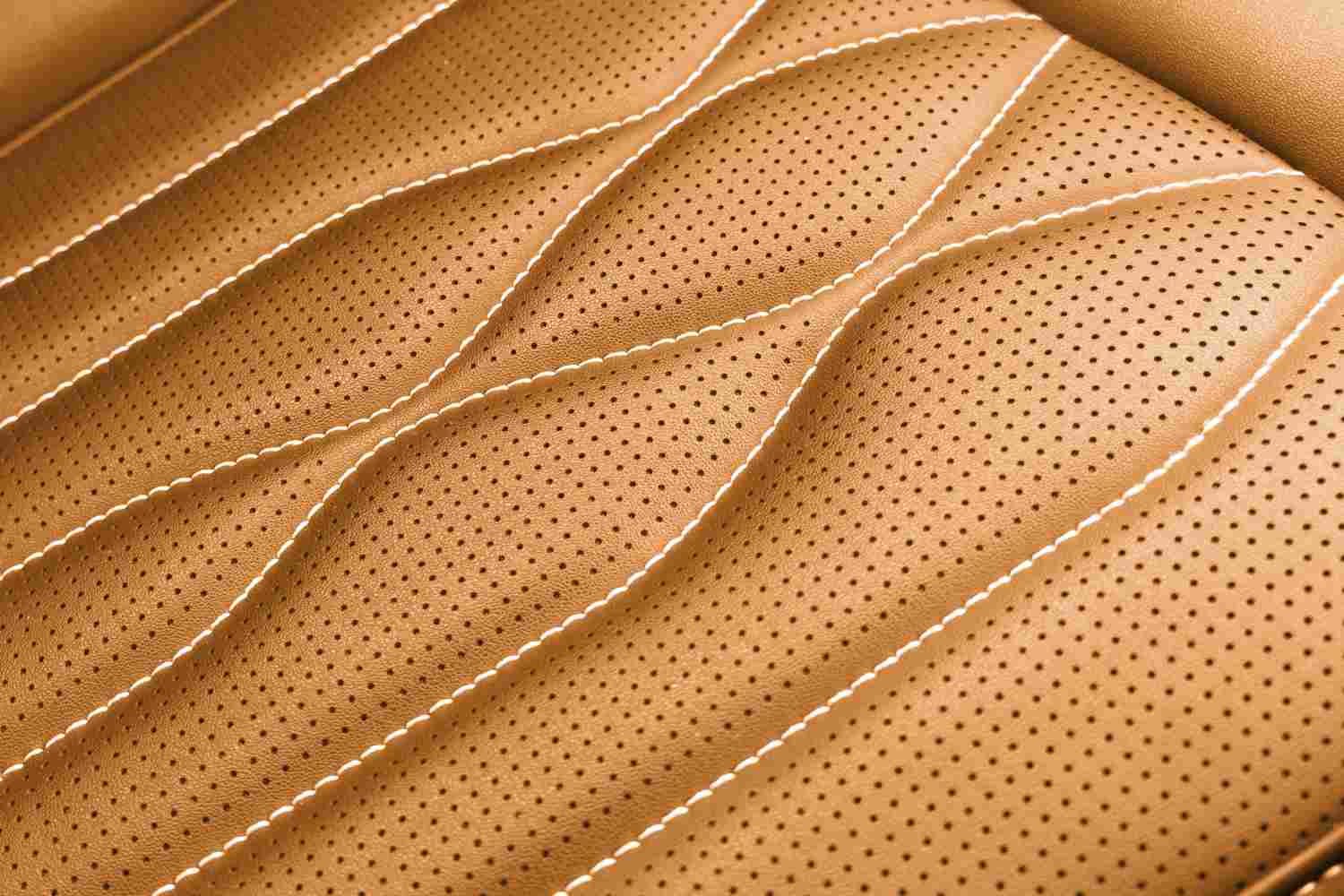
Physical punching removes the material cleanly. There is no burning. There is no smell. The edge of the hole is smooth. This looks premium.
Handling Different Material Formats
You also need to consider how your leather arrives.
- Piece Goods: If you cut leather into pieces first, you can use a flatbed machine8. This works for shoes and bags.
- Roll Goods: If you are a tannery or a big textile factory, you have rolls of material. You cannot cut them first. You need a Roll Mould Punching Machine9. This machine feeds the leather continuously. It punches holes as the roll moves. This is very efficient for huge orders.
You must choose the machine that fits your material flow. Do not buy a roll machine if you only work with small leather scraps. Do not buy a flatbed if you need to process 500 meters of fabric non-stop.
The Ultimate Solution: How Can CNC Leather Perforation Machines10 Revolutionize Your Workflow?
Mould costs are eating your profits. You lose time waiting for new moulds to be made. You need a way to work faster and cheaper to survive market changes.
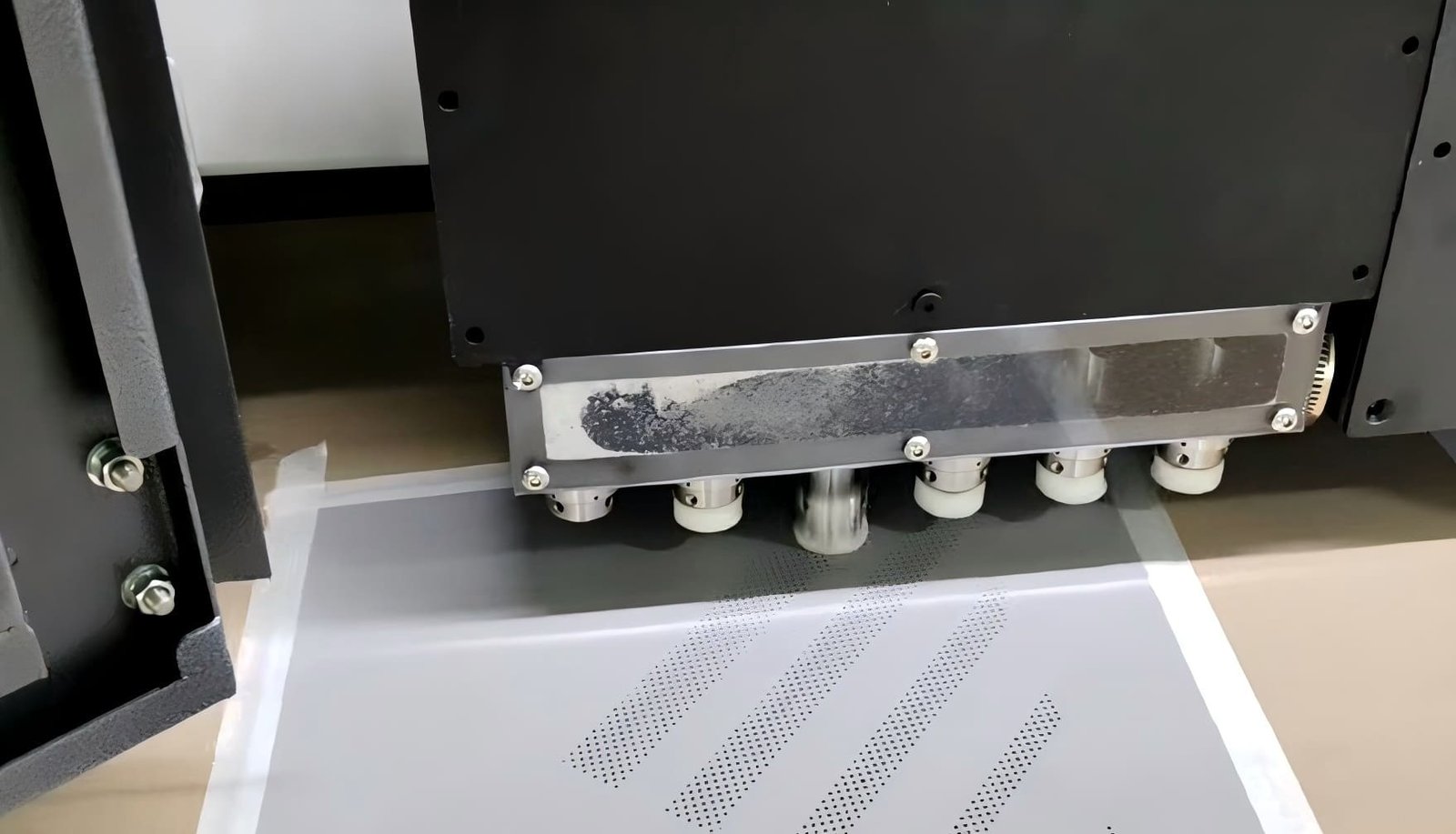
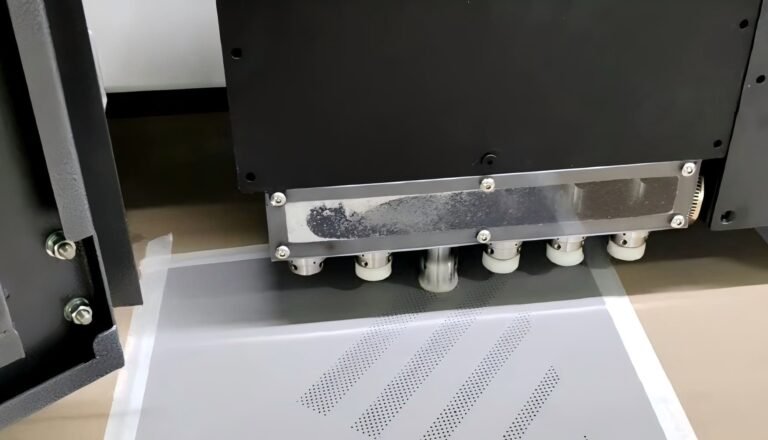
CNC Leather Perforation Machines10 eliminate the need for expensive physical moulds. They allow you to switch designs instantly using a computer file. This technology solves the problem of high mould costs and slow lead times for small-batch, diverse orders.
The market is changing. Orders are getting smaller. Styles are changing faster. My old way was buying a mould for every order. I had a warehouse full of rusty metal. Then I found the CNC solution. It changed my business model.
Breaking Down the Cost
Think about a small order. You need to make 300 pairs of shoes. You have 5 sizes. You need 5 moulds. Each mould costs money. Maybe the mould cost takes away 50% of your profit. Plus, you wait 5 days for the mould factory to deliver.
With a CNC Leather Punching Machine, you skip this.
- You receive the design file (CAD).
- You import it into the machine.
- The machine starts punching immediately.
There is no mould cost. There is no waiting time. You can make a sample in 1 hour. This helps you win orders from impatient designers.
The Golden Combination11
I am not saying you should throw away your mould machines. They are still good for the huge orders. The smart strategy is a mix. We call it the "Golden Combination11."
- Keep 1 Mould Machine for the big, simple orders.
- Add 4 CNC Machines for the complex, urgent, or small orders.
Why Automation Solves Labor Issues
Also, it is hard to find skilled workers12 today. Young people do not want to do dirty, manual work. CNC machines are easy to use. You do not need a master craftsman. You need an operator who can click a mouse. The machine does the hard work. It works 24 hours a day if you need it to. It does not call in sick. This reliability is what saves your factory.
To succeed, choose tools based on your volume. Use manual tools for hobbies, mould machines for mass production, and CNC machines for flexibility and speed to maximize your factory's profit.
-
Discover strategies to enhance your leather production line for better efficiency and output. ↩
-
Explore how Mould Punching Machines can enhance your mass production efficiency and speed. ↩ ↩
-
Learn how CNC Digital Punching Machines can revolutionize your production with flexibility and precision. ↩
-
Find out how automated machines can increase speed and consistency in your leather production. ↩
-
Discover the best manual tools for hobbyists and how they can enhance your leather crafting experience. ↩
-
Learn about the impact of quality issues on your reputation and profits in leather manufacturing. ↩
-
Learn about the potential issues with laser cutting and why it may not be suitable for high-end leather products. ↩
-
Discover how flatbed machines can optimize your leather production for specific formats. ↩
-
Explore the benefits of Roll Mould Punching Machines for continuous leather processing. ↩
-
Learn how CNC Leather Perforation Machines can streamline your workflow and reduce costs. ↩ ↩
-
Understand the strategic mix of machines that can maximize your production efficiency. ↩ ↩
-
Find solutions to the challenges of finding skilled workers in the leather manufacturing industry. ↩

Leave a Reply