

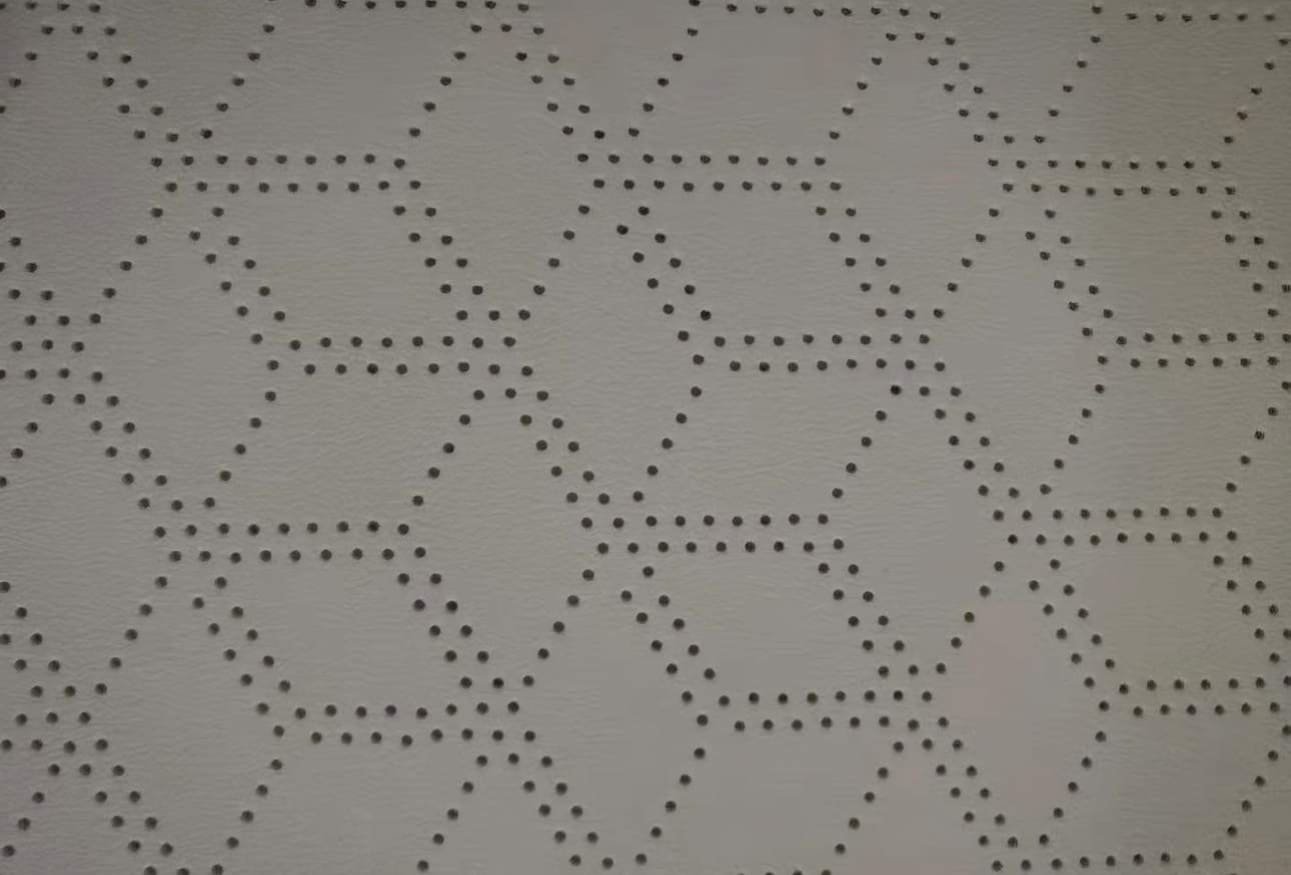
You are losing money on small leather orders because mold costs eat your profits. Waiting for tools kills your delivery speed, and you need a faster way to compete.
To handle custom orders profitably, switch from physical molds to digital CNC punching. This technology eliminates mold fees and reduces lead times from days to hours. It allows you to produce small batches and samples immediately using CAD files, ensuring high margins on low-volume orders.
I used to watch my profit margins disappear every time a client asked for 300 pairs of shoes in five different sizes. The mold costs were higher than the material costs. I knew I had to change my method to survive. This is how I fixed my production line.
The "High-Mix, Low-Volume" Challenge: Is Your Factory Agile Enough?
Your customers want new styles every week, but your factory is too slow. If you cannot adapt to small orders quickly, your competitors will steal your best clients.
High-mix, low-volume production requires flexibility that traditional manufacturing lacks. By adopting digital punching systems, you remove the rigid constraints of physical tooling. This agility allows you to say yes to urgent, complex orders without worrying about the high sunk costs of disposable molds.
The Trap of Traditional Tooling
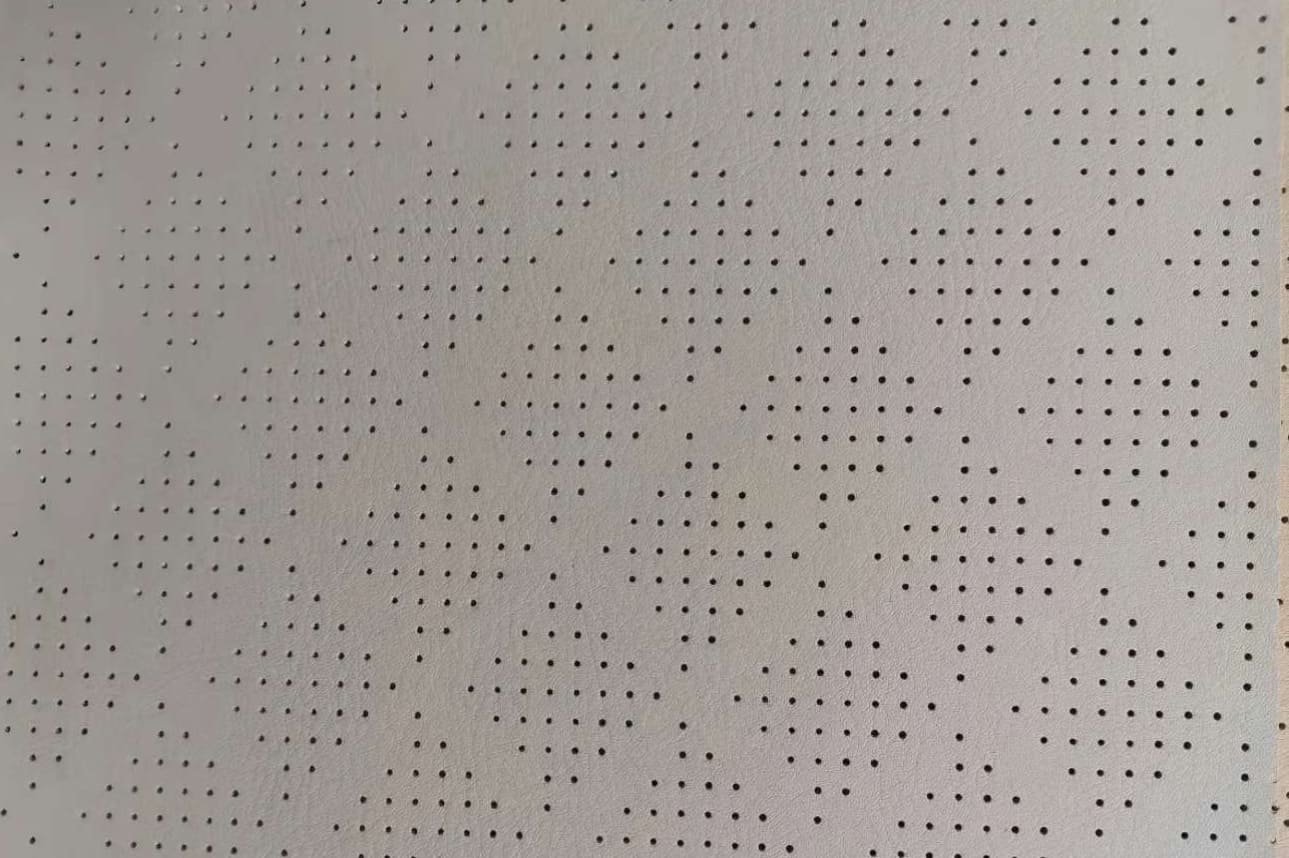
We are now in the era of fast consumption. In the past, I loved getting orders for 10,000 pairs of the same shoe. I would buy one mold, and the cost per shoe was almost zero. But those days are gone. Now, my customers send orders for 300 pairs. Sometimes they only want 50 bags for a limited edition.
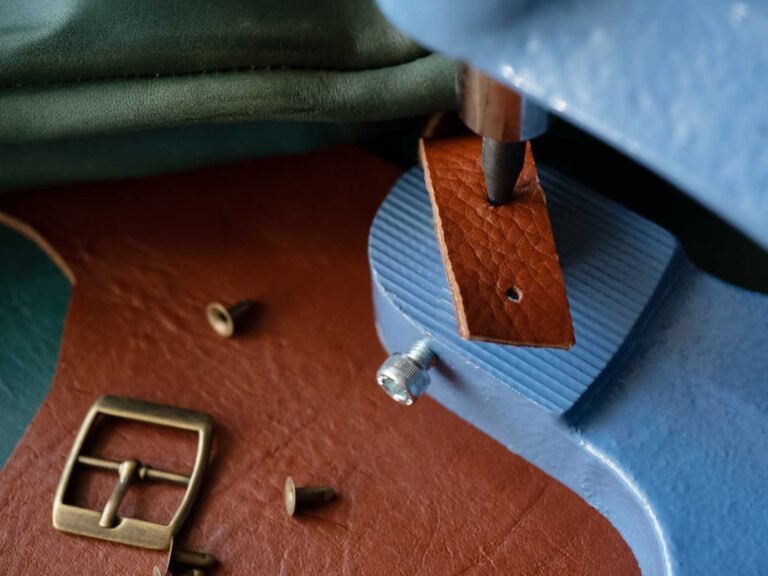
If you use a traditional Mould Punching Machine, you have a big problem. You have to pay for a mold. Then you have to pay for shipping the mold. Then you have to store the mold. If the order is small, the mold fee might be $500, but your profit is only $400. You are paying the customer to make their product. This is bad business. I see many factories in China and Vietnam closing because they cannot handle these "fragmented" orders. They are stuck with warehouses full of rusty metal that no one uses.
Why Digital is the Only Way Forward
Digital punching changes the math completely. You do not need a physical tool. You only need a computer file. This fits the new business model perfectly. You can run 50 pieces for one client, change the file, and run 100 pieces for another client immediately. There is no downtime to swap heavy iron blocks.
This flexibility helps you protect your cash flow. You do not tie up money in tooling inventory. You also save on warehouse space. I converted my old mold storage room into a new production line for DC-Punch machines. This transition is vital for survival.
| Feature | Traditional Mold Process | DC-Punch Digital Process |
|---|---|---|
| Setup Cost | High (Mold Fee + Shipping) | Zero (Digital File) |
| Minimum Order Qty | High (to cover mold cost) | One piece |
| Storage Needs | Large Warehouse for Molds | Hard Drive / Cloud |
| Profit on Small Orders | Low or Negative | High |
Eliminate Setup Time: How DC-Punch CNC Machines Streamline Your Workflow?
Waiting three days for a mold maker stops your production cold. You lose valuable time while your machines sit idle and your customers get angry about delays.
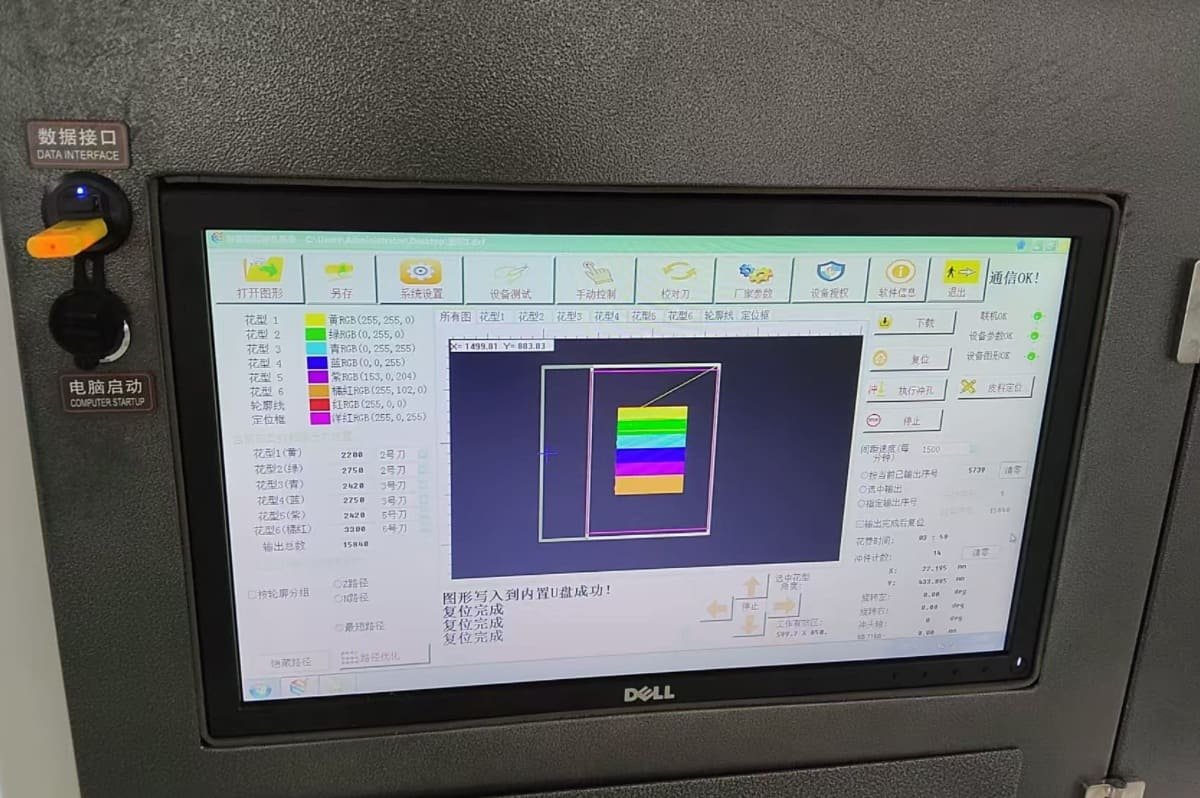
DC-Punch CNC machines streamline workflow by removing the physical mold-making step entirely. You simply import a design file, and the machine starts punching immediately. This reduces the time from design concept to finished product from several days to just a few hours.
From Design to Production in Hours
Time is the most expensive thing in our factory. When a brand designer sends a drawing, they usually want to see a real sample within 24 hours. If you tell them, "Wait, I need to order a mold," they will go to another factory. Opening a mold takes 3 to 5 days. If there is a mistake, it takes another 3 days to fix it. That is a week lost.
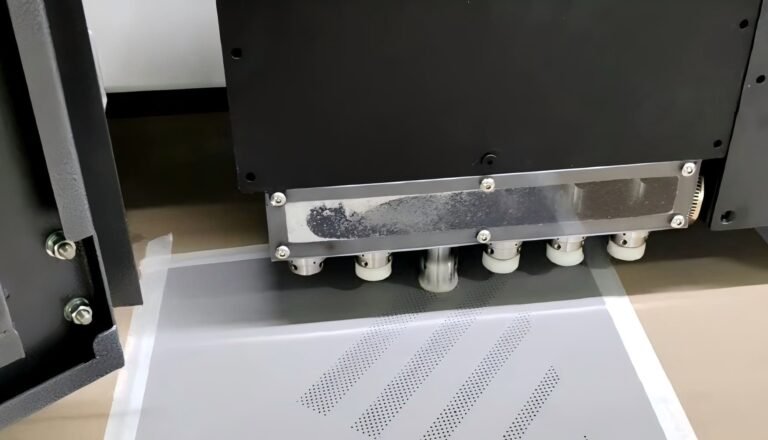
With a DC-Punch machine, the workflow is smooth. You receive the CAD file (DXF or PLT format). You put it into the computer. The machine software reads it. You put the leather on the table. You press start. The whole process takes maybe two hours. This speed is how you win the trust of big buyers. They know you can react fast.
Solving the Labor Shortage
There is another hidden benefit to this workflow. It is very hard to find skilled workers today. Young people do not want to work in dirty, loud factories moving heavy molds. They want to work with computers.
Traditional punching requires a master worker to align the mold perfectly. If he is sick, the machine stops. Digital punching is different. It is automated. You do not need a 20-year veteran to run it. You can train a young operator in a few days. They just need to know how to operate the software and load the material. This makes your factory more stable. You are not dependent on one or two "experts" who might leave.
Handling Last-Minute Changes
Designers always change their minds. They might say, "Make the holes 1mm bigger" or "Move the pattern to the left." With a mold, this change costs money and time. You have to scrap the old mold and buy a new one. With digital punching, you just click a mouse. You edit the file, and the change is free.
| Workflow Step | Traditional Mold Timeline | DC-Punch Digital Timeline |
|---|---|---|
| Design Receipt | Day 1 | Day 1 (9:00 AM) |
| Tooling Creation | Day 2-4 (External Supplier) | Day 1 (9:30 AM - Software Setup) |
| Machine Setup | Day 5 (Manual Install) | Day 1 (10:00 AM) |
| First Sample | Day 5 (Afternoon) | Day 1 (10:30 AM) |
| Modifications | +3 Days (New Mold) | +10 Minutes (Edit File) |
Beyond Simple Holes: Creating Complex Patterns That Traditional Molds Can't Achieve?
Standard molds limit your creativity and force you to use boring patterns. Your high-end clients demand intricate designs that old mechanical presses simply cannot produce efficiently.
Digital punching allows for infinite pattern complexity without increasing cost. Unlike molds which are fixed, CNC heads can rotate and change tools to create gradients, logos, and intricate artistic perforations. This capability opens up new markets in high-end automotive interiors and luxury fashion.
Quality That High-End Clients Demand
I have tried using laser machines for sampling. It seems like a good idea because it is also digital. But laser has a big problem: it burns the leather. The edges of the holes are black and carbonized. It smells bad.
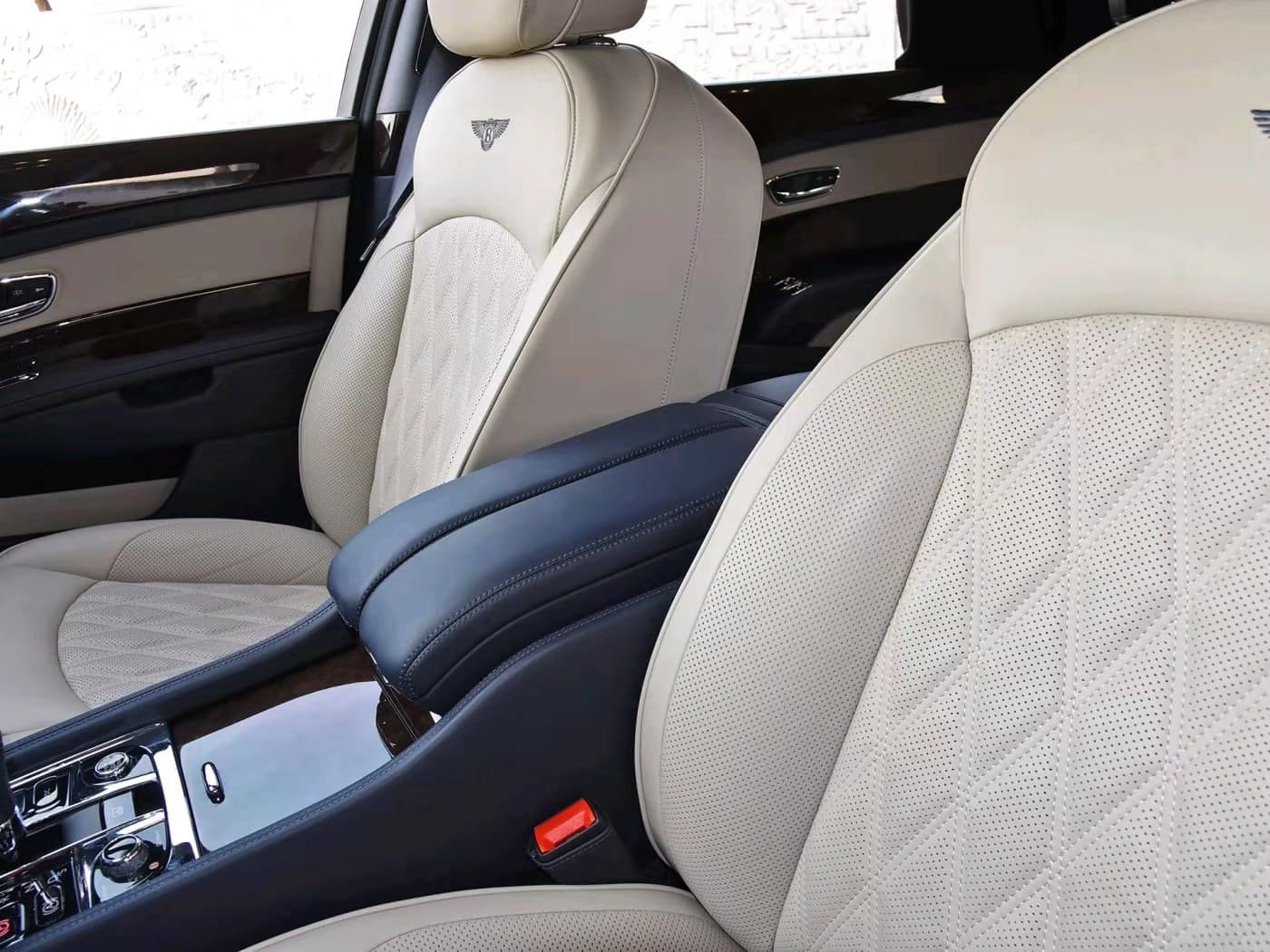
High-end customers, especially in the automotive industry (like car seat manufacturers) or luxury shoe brands, will reject laser quality. They rub a white cloth on the leather, and if it turns black, they return the goods. They want the clean "physical cut" look of a mechanical punch. DC-Punch gives you this quality. It uses real steel tubes to punch the leather physically. The result is clean, soft, and smells like leather, not burnt skin. It combines the quality of a mold with the flexibility of a computer.
Unlimited Design Freedom
Molds are stupid. They can only do one pattern. If you want a pattern that fades from big holes to small holes (a gradient effect), a mold is very expensive and difficult to make. If you want to punch a complex logo or a picture of a flower, a mold often fails.
DC-Punch machines have a rotating head. The head can hold different sizes of punch tools. It can rotate 360 degrees. This means you can create art on leather. You can mix 0.8mm holes with 2.0mm holes in the same design. You can make spirals, waves, or geometric patterns.
This capability allows you to charge more money. You are not just selling "holes." You are selling design services. You can tell your customer, "I can make a pattern that no one else can make." This separates you from the cheap factories that only do basic grids.
Comparison of Technologies
It is important to understand where digital punching fits. It is the best of both worlds.
| Feature | Laser Cutting | Traditional Mold | DC-Punch Digital |
|---|---|---|---|
| Edge Quality | Burnt, Black, Smell | Clean, Physical Cut | Clean, Physical Cut |
| Pattern Complexity | High | Low (Fixed) | High (Programmable) |
| Tool Switching | None (Single Beam) | Slow (Change Mold) | Fast (Auto-change/Rotate) |
| Material Types | Limited (Some burn badly) | All Leathers | All Leathers |
| Best Use Case | Cheap drafts | Mass Production | High-End Custom & Samples |
Conclusion
The market has changed to small, fast orders. Molds are too slow and expensive for this. Digital punching saves your profit and time. It is the smart choice for modern factories.
Leave a Reply